- Home
- Login
- Insert an ad
- Blog
- Live Sex
-
Languages:


- Contact us
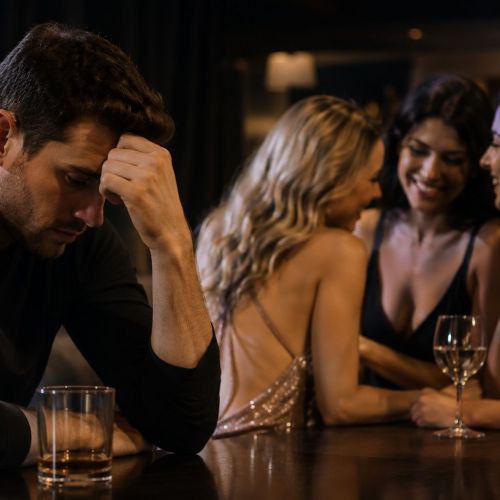
At 30 years old, still being a virgin is not necessarily the hardest part. What tends to wear people down is everything that comes with it. The jokes. The subtle remarks. Conversations between coworkers that revolve around sex as if everyone is sleeping with everyone else. Friends who casually ask, “So, how’s your love life these days?” when deep down, you already know you're going to dodge the question.
Because at some point, it stops being about a first time. It becomes a secret. A sensitive subject. Something you hide with the same energy a teenager uses to hide their browsing history.
And the most ironic part? Many 30-year-old virgins have already kissed, flirted, seduced, and sometimes even experienced meaningful relationships. It is not always an emotional desert. Sometimes, it is simply a long series of dates that never lead anywhere. Missed opportunities. Growing fears. Then time passes. Fast.
People talk a lot about being single. They talk about the lack of sex. They even discuss swinger lifestyles and open relationships. But adult virgins? That topic is almost invisible.
It's as if society has decided that after a certain age, everyone must have already experienced a hotel room, a couch that was far too small, or an awkward night that eventually turned into a funny memory.
The reality is far more nuanced. Some people chose to wait. Others avoided intimacy. Others simply watched the years go by, believing things would eventually happen naturally.
And then one morning, they wake up and they're 30.
At 20, admitting you're a virgin often sparks curiosity. At 30, it usually sparks surprise. Sometimes even suspicion.
It's unfair, but that's often how it is.
As a result, many people start lying. Not huge lies. Just small adjustments to reality. An invented fling. A fictional ex. A vague story told halfway. Nothing dramatic.
A 31-year-old man once explained that he knew the routine perfectly. Every Friday evening, his coworkers talked about their latest conquests. He nodded along, added a few believable details, and quickly changed the subject. Nobody ever discovered that he had never had sex.
Situations like this may seem insignificant. Yet when repeated over and over again, they can become a heavy burden.
This is often where things start to go wrong.
Over the years, losing your virginity stops being an experience and becomes a test. You imagine it for months. You analyze everything. You anticipate every possible scenario. You wonder how to reveal your virginity. How to react if the other person notices. How to avoid embarrassment.
Meanwhile, people who already have an active sex life discover something far less glamorous: sex is often awkward, imperfect, and sometimes even funny. It has very little in common with the catastrophic scenarios created inside your own mind.
The longer you wait, the more you idealize it. The more you idealize it, the more you fear it. And the more you fear it, the longer you wait.
The trap slowly closes. Quietly.
Believing that everyone else is a sex expert is a mistake. Many people improvise. Many people have doubts. Many are simply playing a role. The confidence they display is often nothing more than a carefully maintained facade.
No one is going to pretend the internet doesn't exist. Most adults have watched pornographic content at some point. That's not the issue.
The problem begins when pornography becomes your main sexual reference point for ten years.
After constantly seeing perfect bodies, unrealistic performances, and mechanical scenarios, some people start believing their first sexual experience should look exactly like that. Spoiler alert: it won't.
Real life is often a bedroom with lighting that's too bright. A condom put on backwards. An unexpected laugh at the worst possible moment. Hesitation. Silence. Awkwardness.
And thankfully so.
You might think Tinder, Bumble, and social media have made dating easier. In some situations, they have. In others, not at all.
For someone who already struggles with confidence, scrolling through hundreds of profiles can become discouraging. Every unanswered message feels like confirmation of a fear that was already there.
Some people eventually give up before they have genuinely tried.
They open the app. Browse a few profiles. Send a message. Wait. Delete the app. Then reinstall it two weeks later.
The cycle has become surprisingly common.
This is the part many people would rather avoid.
When someone admits to being a virgin at 30, the advice is usually the same: build confidence, go out more, be yourself, give it time.
Sometimes that works.
Sometimes it doesn't.
Some people then choose different paths. Swinger encounters. Private events. More direct dating platforms. Or seeking the company of professional escorts.
The topic makes people uncomfortable because it challenges the traditional romantic narrative. Yet it has existed for a very long time.
For some men, it is not even mainly about sex. It is about breaking a fear that has become overwhelming. It is about finally discovering that intimacy is not the terrifying monster they imagined for years.
In Lausanne, a 34-year-old man explained that he spent far more time fearing his first sexual experience than actually living it. Once it was behind him, the act itself wasn't what stayed with him. What he remembered was the relief. It felt as if a decade of pressure had suddenly disappeared.
Losing your virginity does not magically transform an ordinary man into an irresistible seducer. It does not automatically solve confidence issues. It does not guarantee greater romantic success.
Many people even discover something rather disappointing: they are exactly the same person the next morning.
Yet there is still a difference.
The fantasy disappears. The mountain becomes a hill again. The unknown stops being frightening.
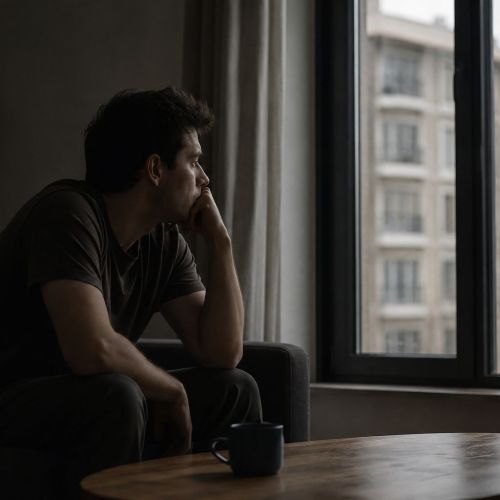
Being a virgin at 30 is not unusual. Suffering in silence for years because you believe you're the only one in that situation is probably the real problem.
Sex therapists regularly encounter first sexual experiences after the age of 30, 40, and sometimes much later. The difference is that people who go through it rarely talk about it openly with those around them.
Ultimately, the question may not be why you are still a virgin today. The real question is this: how long are you willing to let this situation define the way you see yourself? Because after thinking about it for years, some people forget that sex is simply an experience. Not a diploma. Not a medal. And certainly not a measure of your worth.
Yes, being a virgin at 30 is much more common than many people think. The reasons can vary widely: lack of opportunities, shyness, social anxiety, personal priorities, high expectations, or simply not meeting the right person yet. Being a virgin at 30 does not define your worth or your ability to enjoy a fulfilling romantic and sex life.
The most common reasons include low self-confidence, fear of rejection, anxiety about the first time, limited romantic experiences, or psychological blocks. For some people, time simply passes without the right circumstances ever leading to a sexual experience.
The first step is to understand that real-life sexuality is often imperfect, natural, and far removed from fantasies or imagined scenarios. Talking about your worries, working on your self-esteem, and moving gradually through dating can often reduce the pressure and help you regain confidence.
There is no obligation to do so, but honesty is often helpful. A kind and respectful partner will usually understand the situation and help create a trusting atmosphere. Revealing that you are still a virgin can also reduce the stress linked to the fear of being discovered or judged.
Yes. When it becomes the main source of sexual education, porn can create unrealistic expectations about performance, bodies, or how sex should unfold. Real life is usually far more spontaneous, imperfect, and relaxed than what is shown in pornographic videos.
Dating apps such as Tinder or Bumble can make meeting people easier, but they do not automatically solve confidence issues or anxiety. For some people, they offer a chance to meet new partners, while for others they can increase discouragement when faced with rejection or a lack of replies.
Some people choose this option to have a first sexual experience in a more predictable and reassuring setting. This remains a personal choice. For many, the goal is not only the sexual act itself, but also reducing a fear that has become overwhelming and discovering intimacy without excessive pressure.